
Based on the unrest in Caledonia, Ontario where native land was being used for a housing development, this novel explores the many characters and issues at stake at the time. It is a fiction in every sense of the word, so the political aspects are muted and don’t overpower the character development and storyline.
But even if the story were not a gripping exploration of town/reserve relations, Smoke River would be a glorious read just for Foss’s imagery, which conjures up a hot, humid Ontario summer that seems to shimmer off the page: “Finally it arrives, the slightest mutiny of scent: sweet clover seeds, germinating in the backhoed earth, an insurrection of moisture beneath the drained and filled pond, an invasion of pollens breezing in off the river.” That connection to the land, which Shayna and Coulson share, is another powerful theme that permeates the novel. (source)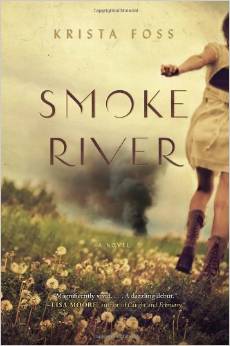
 Miriam Toews has written this novel based on her own personal experiences with a sister and father who had battled depression and in the end, committed suicide. When Toews began writing All My Puny Sorrows in 2012 (the title is borrowed from a poem by Samuel Taylor Coleridge) she was unsure what form it would take. It was simply something she had to write, she says, a way to deal with the anger, and confusion, and sadness that threatened to become all-consuming. Many will read the novel as a memoir, and, while Toews says this is “definitely, absolutely” the most personal book she’s ever written, and much of the dialogue is based on conversations Toews had with her sister while Marj was in the hospital, it is still a work for fiction. (
 Digitizeme